Your Acadian-style home in Freetown-Port Rico has survived over a century of Louisiana summers—but those original cypress window frames are showing their age. The same Gulf Coast humidity that averages 75-80% year-round (Source: National Weather Service Lake Charles Office, 2023) has already warped two sets of blinds, and the intense afternoon sun bleaching your grandmother’s furniture is becoming impossible to ignore.
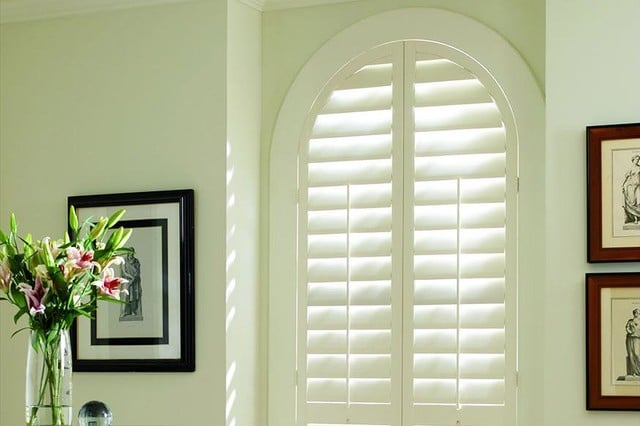
For homeowners in Lafayette’s historic preservation districts, finding window treatments that honor Cajun architectural heritage while actually surviving our climate feels nearly impossible. That’s where plantation shutters Lafayette LA specialists who understand both the structural quirks of raised French Creole homes and the relentless environmental demands come in.
Why Lafayette’s Climate Destroys Standard Window Treatments
Walk through Downtown Lafayette on any August afternoon, and you’ll understand why generic big-box window solutions fail here. The combination of subtropical humidity, salt-tinged Gulf air, and UV exposure reaching 6-7 on the UV index for 200+ days annually (Source: U.S. Environmental Protection Agency UV Index Archive, 2023) creates conditions that accelerate deterioration faster than anywhere else in the continental United States.
Humidity’s Hidden Damage to Historic Homes
Traditional wood blinds absorb moisture from Lafayette’s saturated air, expanding and contracting with each weather shift. Within 18-24 months, you’ll notice sticking louvers, warped frames, and that unmistakable musty smell that signals mold growth behind your window casings. For homes near Vermilionville Historic Village—where the Bayou Vermilion adds even more ambient moisture—this timeline compresses dramatically.
Your historic home’s original single-pane windows compound the problem. Without the vapor barriers modern construction includes, humidity migrates directly through your window assemblies. Historic homes experience 30-40% higher indoor humidity levels than post-1980 construction (Source: National Trust for Historic Preservation Technical Brief, 2021), making material selection critical.
Sun Damage Beyond Fading
The intense Louisiana sun doesn’t just bleach your furnishings—it degrades the cellular structure of inferior window treatment materials. Vinyl blinds become brittle and crack. Fabric shades develop UV stress fractures invisible until they suddenly fail. Meanwhile, your cooling costs spike as unprotected windows turn your Sterling Grove cottage into a greenhouse, with solar heat gain through windows accounting for up to 76% of summer cooling loads in historic homes without adequate window treatments (Source: U.S. Department of Energy Building Technologies Office, 2022).
Matching Plantation Shutters to Cajun Architectural Traditions
Authentic historic home shutters Lafayette properties deserve aren’t generic products with colonial trim packages slapped on. They’re carefully proportioned to complement the specific architectural vocabulary your home speaks.
Acadian and Cajun Cottage Proportions
Classic Cajun cottages feature distinctive tall, narrow windows—often 6-over-6 or 9-over-9 configurations—that require louver sizing and frame proportions different from standard catalog offerings. The steep rooflines and deep gallery overhangs that define this style also create unique light conditions. Your shutters should feature:
- 2.5-inch louvers rather than trendy 3.5-inch versions that overwhelm smaller historic windows
- Hidden tilt rods or traditional center tilt rods matching your home’s period
- Frame profiles that complement existing millwork without competing
- Period-appropriate finishes in colors documented in Louisiana’s historic paint palette
Raised French Creole Considerations
If your home sits elevated on brick piers—like many structures along the route between Downtown Lafayette and the Cathedral of St. John the Evangelist—you face additional challenges. The raised construction that protected against flooding also means your windows experience different humidity exposure than ground-level installations. Custom-fit plantation shutters Lafayette LA installations must account for:
- Potential settling and out-of-square window openings common in 100+ year structures
- Original cypress or heart pine casings that can’t be modified without losing historic value
- Ventilation patterns unique to raised construction
“When we restored our 1890s cottage in Freetown-Port Rico, three different chain stores told us they couldn’t accommodate our irregular window openings. The specialist who finally measured correctly found variations of nearly an inch across some frames—tolerances that require truly custom fabrication, not just ‘custom sizes’ from a limited catalog.”
Material Selection for Louisiana’s Demanding Environment
Your material choice determines whether your investment lasts 5 years or 50. For Lafayette’s specific conditions, the hierarchy is clear.
Composite and Engineered Materials
Modern composite shutters—featuring a solid wood core wrapped in polymer coatings—deliver the authentic appearance Cajun cottage window treatments require while resisting humidity penetration. The best products offer:
| Feature | Budget Composite | Premium Composite | Solid Basswood |
|---|---|---|---|
| Humidity Resistance | Moderate | Excellent | Poor |
| UV Stability | Good | Excellent | Requires refinishing |
| Historic Authenticity | Acceptable | Very Good | Excellent |
| Typical Lifespan (Lafayette) | 8-12 years | 20-25 years | 10-15 years with maintenance |
| Price Range | $20-28/sq ft | $35-50/sq ft | $40-55/sq ft |
Why Solid Wood Fails in South Louisiana
Despite what you might assume about authenticity, solid wood plantation shutters are often the wrong choice for historic Lafayette homes. Unless you commit to annual inspections, immediate touch-up of any finish breaches, and climate-controlled interior conditions year-round, the economics simply don’t work. The average Lafayette home without central dehumidification maintains 55-65% indoor relative humidity during summer months (Source: Louisiana State University AgCenter Home Energy Study, 2022)—levels that stress even the best-finished solid wood.
Preserving Your Historic Home’s Value and Character
For properties in Lafayette’s historic districts, window treatment choices carry implications beyond aesthetics. The Louisiana State Historic Preservation Office maintains guidelines that affect both potential tax credits and resale value.
Tax Credit Considerations
If you’re pursuing state or federal historic rehabilitation tax credits for your Downtown Lafayette or Sterling Grove property, your window treatments must satisfy “compatible with historic character” requirements. Interior shutters generally qualify as reversible modifications that don’t affect certification, but only when properly specified. The Louisiana Historic Rehabilitation Tax Credit provides up to 25% credit on qualified rehabilitation expenses (Source: Louisiana Office of Cultural Development, Division of Historic Preservation, 2024), making compliant material choices financially significant.
Working with Preservation Requirements
Your traditional shutters Louisiana installation should document:
- Before and after photography of each window
- Material specifications confirming reversibility
- Installation methods that don’t damage original trim
- Color selections from approved historic palettes when visible from public rights-of-way
Properties visible from landmark sites like the Cathedral of St. John the Evangelist face additional scrutiny. A qualified historic shutter specialist will prepare documentation supporting your preservation compliance.
Energy Performance and Modern Comfort
Your historic home wasn’t designed for air conditioning—it was designed for cross-ventilation and gallery shade. Adding plantation shutters Lafayette LA installations optimized for energy performance bridges the gap between historic architecture and modern comfort expectations.
Measurable Efficiency Gains
Properly fitted interior shutters create a dead-air insulation layer that significantly impacts your LUS Fiber-connected smart thermostat readings. Window coverings that fit tightly within frames reduce heat gain by 45-50% compared to uncovered windows (Source: U.S. Department of Energy Energy Saver Guide, 2023). For a typical 2,000 square foot Cajun cottage with 15 windows, this translates to:
- 15-20% reduction in summer cooling costs
- Decreased HVAC runtime extending equipment lifespan
- More consistent room temperatures throughout the day
- Reduced UV exposure protecting flooring and furnishings valued at thousands of dollars
Adjustable Light Control
Unlike fixed treatments, plantation shutters let you balance natural light, privacy, and heat management throughout the day. Morning light through your east-facing windows? Open the louvers fully. Brutal 3 PM summer sun? Angle them to deflect direct rays while maintaining visibility. This flexibility proves especially valuable in historic homes where room layouts followed now-outdated conventions.
Your Next Steps: Getting It Right the First Time
The difference between a satisfying 20-year investment and a frustrating replacement cycle within 5 years comes down to three factors: accurate measurement by someone who understands historic construction irregularities, material selection appropriate for Lafayette’s specific environmental demands, and installation methods that respect your home’s architectural integrity.
Don’t repeat the expensive mistakes homeowners throughout Freetown-Port Rico and Sterling Grove have made with mail-order solutions or generalist contractors unfamiliar with Louisiana’s historic building stock. Schedule your free historic home shutter consultation today to receive a detailed assessment of your windows’ specific requirements, material recommendations matched to your preservation goals and budget, and a binding quote that accounts for every challenge your vintage windows present.
Your Cajun cottage deserves window treatments worthy of its heritage—and engineered to survive another century of Louisiana summers. Contact our Lafayette plantation shutter specialists now to protect your investment and honor your home’s irreplaceable character.
Frequently Asked Questions
Can plantation shutters be installed in historic homes without damaging original window casings?
Yes, experienced installers use non-invasive mounting techniques specifically designed for historic properties. The shutters mount inside the window opening using compression fits or minimal hardware placed in locations that can be easily patched if removed later. This approach satisfies Louisiana State Historic Preservation Office requirements for reversible modifications while protecting irreplaceable original millwork.
How long should I expect quality plantation shutters to last in Lafayette’s humid climate?
Premium composite plantation shutters engineered for high-humidity environments typically last 20-25 years in Lafayette with minimal maintenance. This significantly outperforms solid wood options, which require refinishing every 3-5 years and often show warping or joint separation within 10-15 years due to our sustained 75-80% outdoor humidity levels. Budget composite products fall between these ranges at 8-12 years.
Do plantation shutters qualify for Louisiana historic rehabilitation tax credits?
Interior plantation shutters generally qualify as compatible modifications under Louisiana’s historic rehabilitation tax credit program because they’re considered reversible and don’t alter the historic structure. However, properties in designated historic districts may face additional review if shutters are visible from public areas. Documentation of materials, colors from approved palettes, and installation methods strengthens your qualification case.
What louver size looks most appropriate for historic Cajun cottage windows?
Traditional Cajun cottages with their characteristic tall, narrow window openings look best with 2.5-inch louvers rather than the larger 3.5-inch or 4.5-inch sizes popular in modern construction. The smaller louver size maintains proper visual proportion with historic 6-over-6 or 9-over-9 window configurations and complements rather than overwhelms the delicate millwork typical of Acadian architecture.